
Cooling & Fluid Delivery

Hoses

The unglamorous parts that prevent overheating and leaks

01Section 01

Why hoses wear faster than the parts around them

Hoses are made from soft materials — rubber, silicone, reinforced composites — that break down faster than the metal components elsewhere in the engine. Heat cycles, engine vibration, and constant exposure to fluid pressure all age them. That's why hoses need more frequent checking than the parts they connect to.


02Section 02

The range of hoses in a modern car

There are straight hoses for vacuum, fuel, and heater lines, along with curved, universal, formable, and by-pass hoses. There's the carburetor fuel hose on older engines, the fuel injection hose on newer ones, the transmission oil cooler hose, and the power steering hose. Each one serves a distinct role in keeping the car running properly, and each has its own wear pattern.

03Section 03

What a leak actually means

Visible fluid where a hose connects — or a puddle under the car where there wasn't one before — is a clear sign something needs attention. It's worth having looked at right away rather than waiting to see if it "gets worse," because in a cooling or fuel system, worse can mean stranded.

An honest read before any wrench turns.

That's the whole job — and it's why our neighbors in Hyde Park keep coming back to Central Automotive.

04Section 04

Warning signs

Visible cracking or bulging along a hose, a sweet coolant smell around the engine bay, a puddle of green, orange, or pink fluid under the car, or a temperature gauge that's suddenly climbing. Each one narrows the diagnosis before the car even makes it onto the lift.

05Section 05

Central Automotive's diagnostic process

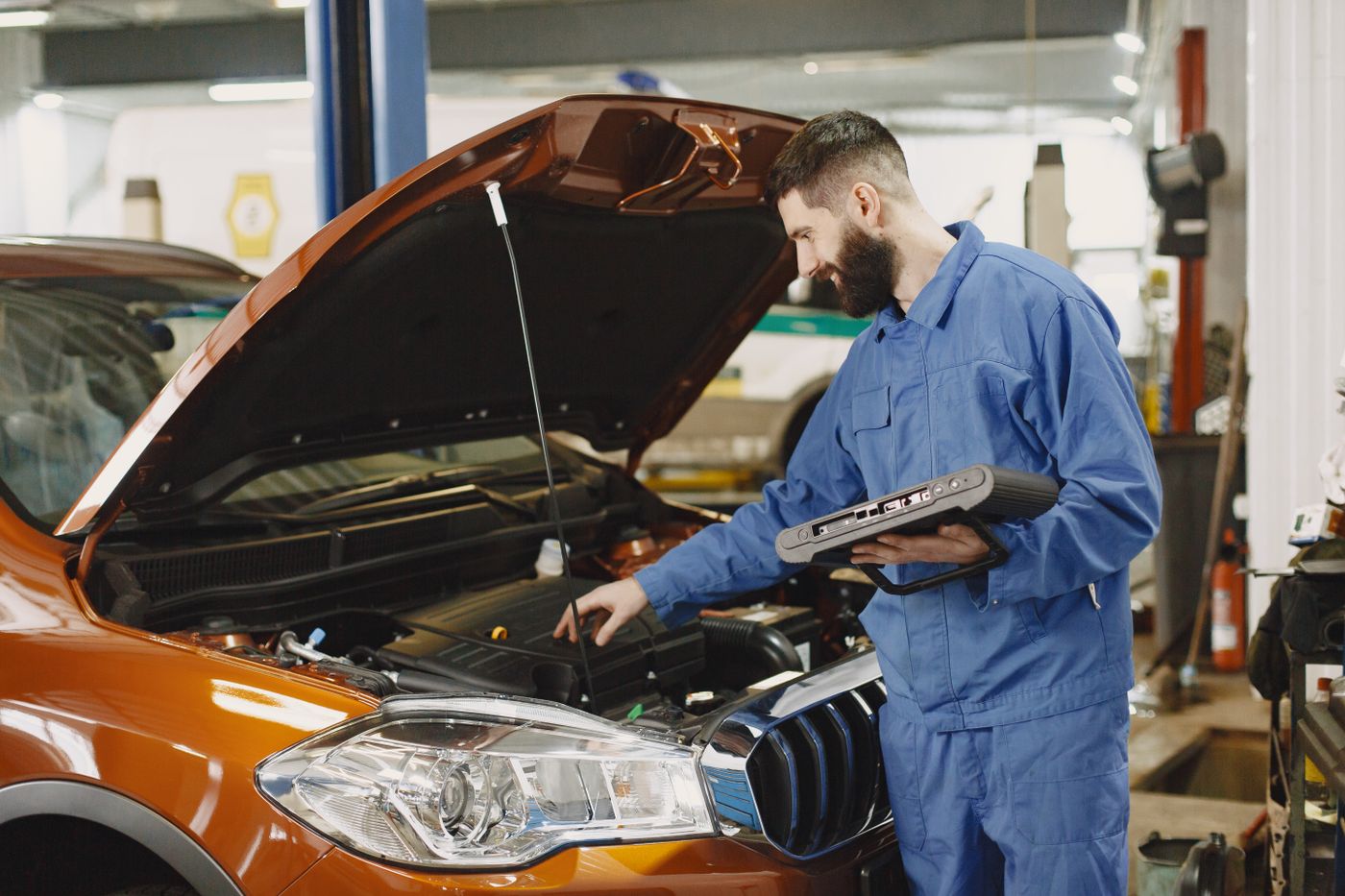
We inspect the cooling system as a whole — hoses, clamps, radiator, thermostat housing, and water pump area — not just the hose that happens to be leaking. Because leaks often show up at the weakest joint, but the underlying issue can be anywhere upstream.

06Section 06

Common repairs

Hose replacement with the correct spec for the vehicle, clamp service where the failure is at the connection rather than the hose itself, and a coolant flush where the fluid has degraded enough to warrant it. Simple work when it's caught in time.

An honest read before any wrench turns.

That's the whole job — and it's why our neighbors in Hyde Park keep coming back to Central Automotive.

07Section 07

Why hose failure escalates fast

A small coolant leak left unaddressed can become an overheated engine in a single hot afternoon in traffic on the Southeast Expressway. The repair goes from a hose swap to head gasket work — an order of magnitude more expensive. Catching it early isn't a luxury; it's just cheaper.

Cost Transparency

Done at five means done at five

Every job at Central Automotive is quoted before the wrenches come out. If we tell you it will be done at five, it will be done at five — and the number we quote is the number you pay. No mid-job phone calls tacking on parts you didn't agree to, no surprises when you come to pick the car up.

Written estimate before any work begins, on every hoses job.
Book your appointment

Ready for hoses? Give us a call.

An honest read, a quote before we start, and the car back when we said it would be. That's the whole promise.

Proudly serving Boston, Hyde Park, Dedham, Roslindale, Dorchester, Milton, Mattapan, and Jamaica Plain. Drop off at 8am, ready at 5pm.